
Diesel
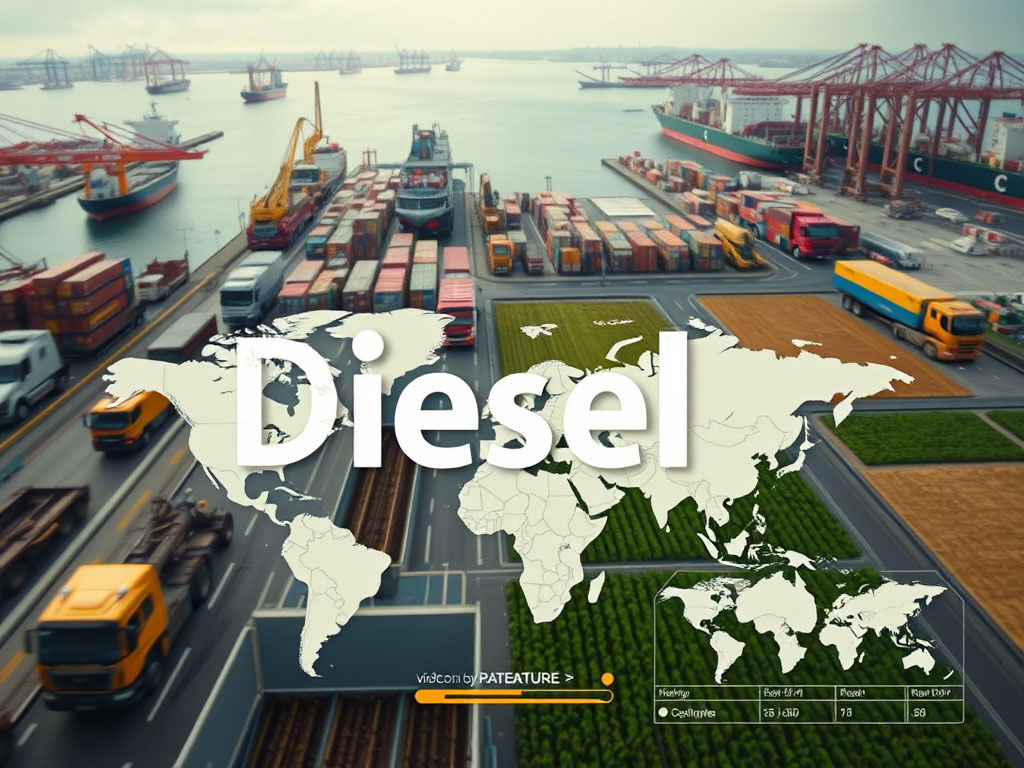
Diesel is the refined middle distillate that powers road transport, construction, agriculture, mining and standby power generation. It is the workhorse fuel of the industrial economy: high energy density, reliable ignition and a distribution network that reaches almost every market. For a trading desk, it is also one of the most specification-sensitive products in the barrel.
The word “diesel” covers a family of grades. The sulfur limit, the cetane number and the cold-flow figure change from one market to the next, and a cargo that meets one specification may fail another. That is why diesel is sold against a written specification, not against a generic name.
The grades and what separates them
Diesel is graded by sulfur content and by cold-flow performance. The sulfur limit is the headline figure: 10ppm diesel meets the Euro 5 limit and is required in most modern markets; higher-sulfur grades serve older engines and off-road users. The cold-flow figure — the cold filter plugging point — is set by the climate the fuel will be used in.
- Sulfur — 10ppm for Euro 5 markets; higher limits for legacy markets.
- Cetane number — ignition quality; reported in the certificate of quality.
- Density and flash point — reported per lot.
- Cold filter plugging point — matched to the destination climate.
- Colour and appearance — reported per lot.
Why the specification matters
Modern engines and emissions systems are designed for low-sulfur fuel. A 10ppm cargo keeps particulate filters and catalytic systems inside their design window; a higher-sulfur cargo can clog filters and shorten the life of the emissions system. For a distributor or a fleet operator, the specification is not a detail — it is the difference between selling fuel and selling a compliance problem.
The cold-flow figure matters just as much. A cargo that gels in winter is not usable, however clean its sulfur figure. That is why the offer confirms the cold-flow window against the destination climate before the shipment is fixed.
Applications
Diesel serves four channels. Transport fleets and distributors take it as road fuel. Industry uses it for generators, boilers and process heat. Construction and mining use it for heavy machinery. Export traders move it into markets that need a specific sulfur and cold-flow window. Each channel needs its own specification, and the offer states which one the cargo meets.
Supply and logistics
Diesel moves in bulk parcels. Loading port, laycan, Incoterm (FOB, CFR, CIF, DAP) and inspection are agreed in the offer. The shipment travels with a certificate of quality and a certificate of quantity from an independent inspector. Because the product is a middle distillate, storage and handling at the discharge terminal follow the local fuel rules.
Quality assurance
Sampling at loading covers sulfur, cetane, density and cold-flow properties. The certificate is issued before the vessel sails. If the lot does not meet the agreed specification, it is not released, which protects the buyer from a cargo that would fail the destination’s fuel rules.
Frequently asked questions
What is the difference between 10ppm and higher-sulfur diesel? The sulfur limit. 10ppm meets Euro 5 and suits modern engines; higher-sulfur grades serve older engines and off-road users.
What is cetane number? A measure of ignition quality. A higher cetane number means easier ignition and smoother running.
Can the cold-flow figure be adjusted? Yes. The cargo is matched to the destination climate, and the offer confirms the cold-flow window.
What documents come with a diesel cargo? Certificate of quality, certificate of quantity, bill of lading and the commercial invoice.
Request an offer
Send the discharge port, the volume and the destination fuel specification, and the trading desk will return a specification, an indicative price and a loading window. For the Euro 5 limit in detail, see Diesel 10 ppm and Euro 5.
More News

Sulfur Limits in Marine Fuel: What IMO 2020 Changed for Buyers
The 0.50% sulfur cap reshaped the bunker market. What changed, how suppliers meet the limit, and what a…
Incoterms for Petroleum Cargoes: FOB, CFR, CIF and DAP Explained
Four Incoterms cover most petroleum cargoes. What each one transfers, who pays freight and insurance, and where the…
Investing in the Energy Value Chain: Where Opportunities and Risks Sit
Owning production is only one way to participate in energy. Terminals, blending plants, logistics and trade finance each…

Lubricant Additive Packages: What They Do and How to Choose
An additive package is the chemistry that turns base oil into a lubricant with a name. What sits…
Base Oils SN150 and SN500: Grades, Uses and Packaging
The two grades most lubricant blenders buy first. What solvent neutral means, how SN150 differs from SN500, which…
API 5CT and API 6A: A Buyer’s Guide to Upstream Equipment Standards
Two API standards govern most upstream hardware. What 5CT and 6A each cover, which grades and pressure classes…