
Export Gas Oil / Diesel 10ppm
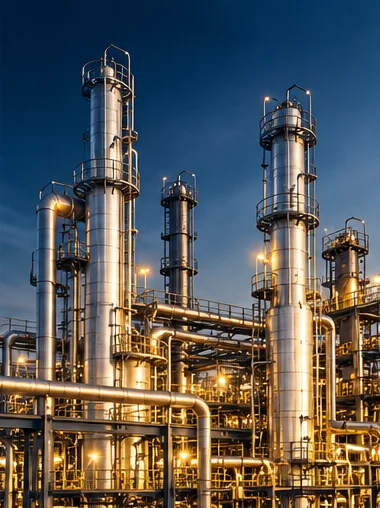
Export gas oil / diesel 10ppm is a low-sulfur middle distillate that meets the Euro 5 sulfur limit. It is the fuel that modern diesel engines, fleets, generators and industrial users need to stay inside emissions rules, and it is the grade that most export markets now require at the pump.
INTBES supplies it in bulk cargoes with a certificate of quality issued before loading. The grade is matched to the destination market’s fuel specification, because the same 10ppm product can carry different cetane, density and cold-flow figures from one cargo to the next.
Specification
Each cargo is sold against a written specification confirmed before shipment:
- Sulfur — 10ppm maximum, meeting the Euro 5 limit
- Cetane number, density, flash point, cold filter plugging point and colour — reported in the certificate of quality
- Form — liquid middle distillate, shipped in bulk
- Minimum order quantity — set per route and per discharge terminal
- Delivery — bulk cargo, terms by agreement
Why buyers choose 10ppm diesel
The sulfur limit is the driver. Modern engines and emissions systems — particulate filters, selective catalytic reduction, oxidation catalysts — are designed for low-sulfur fuel. A 10ppm cargo keeps those systems inside their design window, avoids filter clogging and keeps the fleet compliant with local fuel rules. For a distributor or a fleet operator, that is the difference between selling fuel and selling a compliance problem.
The grade also carries a marketing value. Markets that have moved to Euro 5 or equivalent standards prefer a low-sulfur barrel, and a supplier who can document 10ppm gains access to those markets.
Applications
The grade serves four channels. Transport fleets and distributors take it as road diesel. Industry uses it for generators, boilers and process heat. Construction and mining use it for heavy machinery. Export traders move it into markets that require a low-sulfur barrel. The destination specification determines the exact cold-flow and cetane window.
Supply and logistics
Diesel moves in bulk parcels. Loading port, laycan, Incoterm (FOB, CFR, CIF, DAP) and inspection are agreed in the offer. The shipment travels with a certificate of quality and a certificate of quantity from an independent inspector. Because the product is a middle distillate, storage and handling at the discharge terminal follow the local fuel rules.
Quality assurance
Sampling at loading covers sulfur, cetane, density and cold-flow properties. The certificate is issued before the vessel sails. If the lot does not meet the agreed specification, it is not released, which protects the buyer from a cargo that would fail the destination’s fuel rules.
Frequently asked questions
What does 10ppm mean? It is the maximum sulfur content: 10 parts per million. That is the Euro 5 limit and the level most modern diesel markets require.
Is this the same as Euro 5 diesel? 10ppm sulfur is the headline requirement of Euro 5. The full specification also covers cetane, density and cold flow, which are stated in the certificate.
What is the minimum order? Bulk parcels only; the minimum is set per route and discharge terminal.
Can the cold-flow figure be adjusted? The cargo is matched to the destination climate. Buyers state the expected ambient temperature and the offer confirms the cold-flow window.
Request an offer
Send the discharge port, the volume and the destination fuel specification, and the trading desk will return a specification, an indicative price and a loading window. For heavier fuel streams, see heavy crude oil.