
Diesel 10 ppm and Euro 5: What the Specification Means
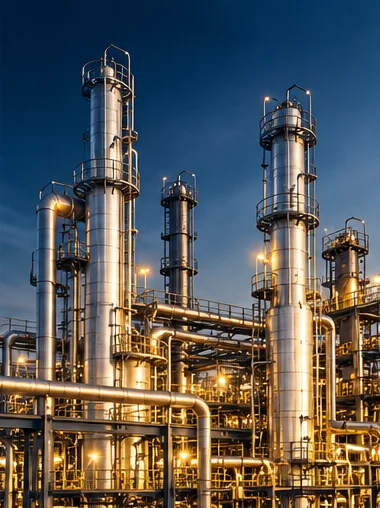
Gas oil, commonly sold as diesel, is a middle distillate used in trucks, buses, trains, ships, generators and industrial machinery. In many markets the key quality requirement is very low sulfur — and the terms 10 ppm, Euro 5 and EN 590 are often used as though they were interchangeable. They are not, and the difference matters when it appears in a contract.
What 10 ppm actually means
A grade described as 10 ppm contains at most 10 parts per million of sulfur by mass. That is the limit used for road diesel in the European Union under the EN 590 specification, and it has been adopted as the reference in a large number of markets beyond Europe.
- It protects the engine’s emissions equipment. Sulfur poisons the catalysts in diesel particulate filters and SCR systems. Fuel above the limit triggers fault codes, forces regeneration cycles and can permanently damage the after-treatment unit.
- It cuts sulfur oxide emissions directly. SOx from combustion is a regulated pollutant, so fuel sulfur is controlled at source rather than at the smokestack.
Euro 5 is a vehicle standard, not a fuel standard
Euro 5 refers to the European vehicle emission standard that diesel engines are built to meet — the fifth stage in a sequence that now sits well beyond it. The vehicle standard sets limits on what comes out of the tailpipe. The fuel specification that delivers it is EN 590.
This distinction matters commercially. Euro 5 describes the vehicle; EN 590 describes the barrel. Name the exact fuel standard in a contract rather than the vehicle standard alone, because EN 590 defines dozens of properties — density, cetane number, distillation, flash point, cold-flow behaviour — that a certificate of analysis can actually be tested against.
The properties a buyer should read
- Sulfur — 10 ppm maximum
- Cetane number — ignition quality; higher means easier cold starts and smoother combustion
- Density — affects metering and energy delivered per litre
- Distillation range — how the fuel boils across the curve, which governs driveability
- Cold filter plugging point / cloud point — whether the fuel will still flow in the destination’s winter
- Lubricity — low-sulfur refining strips natural lubricity, so it is measured and often restored with an additive
A cargo can be perfectly compliant on sulfur and still unsuitable for a cold climate if the cold-flow properties are wrong for the destination.
When 10 ppm is not the only requirement
Markets increasingly add their own requirements: national additive packages, biodiesel blend limits, cold-flow grades tied to season, or a local specification that mirrors EN 590 with variations. We can blend to a customer’s specification where local requirements go beyond the base standard.
Get the specification right before you sign
Tell us the destination, the season and any local requirement beyond sulfur, and we will confirm availability against that specification with a certificate of analysis per parcel. Start with an enquiry and we will come back with availability and lead time.
More News

Sulfur Limits in Marine Fuel: What IMO 2020 Changed for Buyers
The 0.50% sulfur cap reshaped the bunker market. What changed, how suppliers meet the limit, and what a…
Incoterms for Petroleum Cargoes: FOB, CFR, CIF and DAP Explained
Four Incoterms cover most petroleum cargoes. What each one transfers, who pays freight and insurance, and where the…

Investing in the Energy Value Chain: Where Opportunities and Risks Sit
Owning production is only one way to participate in energy. Terminals, blending plants, logistics and trade finance each…

Lubricant Additive Packages: What They Do and How to Choose
An additive package is the chemistry that turns base oil into a lubricant with a name. What sits…
Base Oils SN150 and SN500: Grades, Uses and Packaging
The two grades most lubricant blenders buy first. What solvent neutral means, how SN150 differs from SN500, which…
API 5CT and API 6A: A Buyer’s Guide to Upstream Equipment Standards
Two API standards govern most upstream hardware. What 5CT and 6A each cover, which grades and pressure classes…