
Sulfur Limits in Marine Fuel: What IMO 2020 Changed for Buyers

On 1 January 2020, the International Maritime Organization cut the sulfur limit for marine fuel from 3.50% to 0.50%. The change — known as IMO 2020 — reshaped the bunker market, the refining slate and the way shipowners buy fuel. For a buyer of marine fuel, it turned sulfur from a background figure into the first question on every offer.
This guide explains what the cap changed, how suppliers meet it, and what a buyer should confirm before fixing a cargo.
What IMO 2020 changed
Before 2020, most ships burned high-sulfur fuel oil (HSFO) at 3.50% sulfur. The new cap required 0.50% or less, unless the ship was fitted with an exhaust gas cleaning system — a scrubber — that removes sulfur from the exhaust instead. The result was a split market: very low sulfur fuel oil (VLSFO) for ships without scrubbers, and HSFO for ships with them.
The cap did not ban sulfur; it capped it. A ship can still burn high-sulfur fuel if it cleans the exhaust, and that is why scrubber-fitted vessels remain a large part of the fleet.
How suppliers meet the limit
Refiners meet the 0.50% cap in three main ways. Some blend low-sulfur components into the fuel; some upgrade residue with desulfurisation units; some supply distillate-based fuels that are naturally low in sulfur. Each route produces a different fuel with different viscosity, density and compatibility characteristics.
That matters because VLSFO is not one specification. Two suppliers can both meet 0.50% sulfur and still deliver fuels that behave differently in the engine. Compatibility between bunkers — the risk of sludge when two fuels are mixed — is one of the practical issues the cap introduced.
What a buyer should confirm
Before fixing a marine fuel cargo, the buyer confirms the sulfur figure, the viscosity, the density, the flash point and the compatibility profile. The certificate of quality states the tested figures. The buyer also confirms that the fuel matches the engine’s requirements and the scrubber status of the vessel.
- Sulfur — 0.50% maximum for VLSFO; 3.50% for HSFO with scrubber.
- Viscosity — matched to the engine and the fuel system.
- Density and flash point — reported in the certificate.
- Compatibility — the risk of sludge when fuels are mixed.
Applications
Marine fuel serves four channels. Container lines and bulk carriers take VLSFO for main engines. Scrubber-fitted vessels take HSFO. Port operations and tugs take distillate grades. Trading desks move cargoes between bunkering hubs. Each channel needs its own specification, and the offer states which one the cargo meets.
Supply and logistics
Marine fuel moves in bulk parcels and by bunker barge. Loading port, laycan, Incoterm (FOB, CFR, CIF, DAP) and inspection are agreed in the offer. The shipment travels with a certificate of quality and a certificate of quantity. Because the fuel is a residue-based product, storage temperature and handling at the discharge port are confirmed before the shipment is fixed.
Quality assurance
Sampling at loading covers sulfur, viscosity, density and flash point. The certificate is issued before the vessel sails. If the lot does not meet the agreed specification, it is not released, which protects the buyer from a fuel that would fail the engine or the emissions rules.
Frequently asked questions
What is the IMO 2020 sulfur cap? A 0.50% maximum sulfur content for marine fuel, down from 3.50%. Ships with scrubbers can still burn HSFO.
What is VLSFO? Very low sulfur fuel oil — the 0.50% grade that most ships without scrubbers burn.
What is fuel compatibility? The risk that two bunker fuels mixed in the same tank form sludge. It is a practical issue introduced by the 0.50% cap.
What documents come with a marine fuel cargo? Certificate of quality, certificate of quantity, bill of lading and the commercial invoice.
Request an offer
Send the vessel type, the sulfur requirement and the bunkering port, and the trading desk will return a specification, an indicative price and a loading window. For the Euro 5 road fuel limit, see Diesel 10 ppm and Euro 5.
Más noticias
Incoterms for Petroleum Cargoes: FOB, CFR, CIF and DAP Explained
Four Incoterms cover most petroleum cargoes. What each one transfers, who pays freight and insurance, and where the…
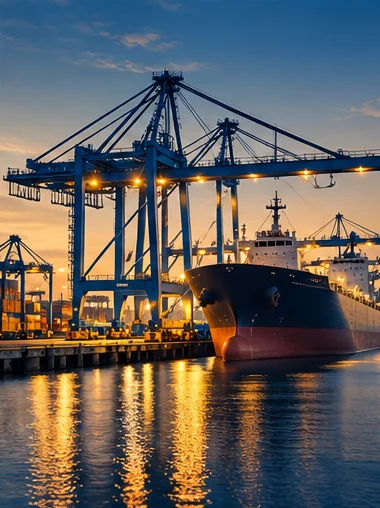
Inversión en la cadena de valor energética: dónde están las oportunidades y los riesgos
La cadena de valor energética ofrece a los inversores varias vías más allá de poseer activos de producción:…

Paquetes de aditivos lubricantes: qué hacen y cómo elegirlos
Un paquete de aditivos, también llamado paquete de prestaciones, es una combinación premezclada de componentes químicos que se…
Aceites base SN150 y SN500: calidades, usos y envasado
El aceite base constituye la mayor parte de un lubricante terminado —normalmente la gran mayoría en volumen— y…
API 5CT y API 6A: guía del comprador de estándares de equipos upstream
El API, Instituto Americano del Petróleo, publica normas de uso generalizado en la industria del petróleo y el…
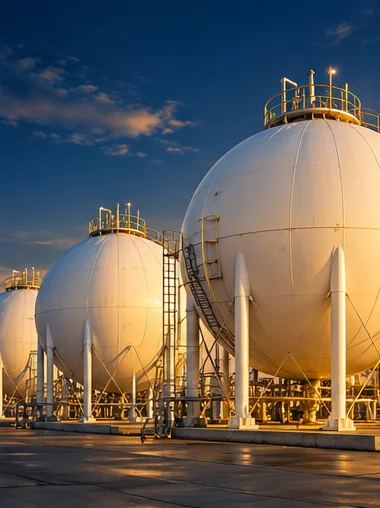
Logística de GLP: mover propano y butano por mar y tierra
El LPG es una mezcla de propano y butano que en condiciones normales es gas, pero se licúa…