
Sulfur Limits in Marine Fuel: What IMO 2020 Changed for Buyers

On 1 January 2020, the International Maritime Organization cut the sulfur limit for marine fuel from 3.50% to 0.50%. The change — known as IMO 2020 — reshaped the bunker market, the refining slate and the way shipowners buy fuel. For a buyer of marine fuel, it turned sulfur from a background figure into the first question on every offer.
This guide explains what the cap changed, how suppliers meet it, and what a buyer should confirm before fixing a cargo.
What IMO 2020 changed
Before 2020, most ships burned high-sulfur fuel oil (HSFO) at 3.50% sulfur. The new cap required 0.50% or less, unless the ship was fitted with an exhaust gas cleaning system — a scrubber — that removes sulfur from the exhaust instead. The result was a split market: very low sulfur fuel oil (VLSFO) for ships without scrubbers, and HSFO for ships with them.
The cap did not ban sulfur; it capped it. A ship can still burn high-sulfur fuel if it cleans the exhaust, and that is why scrubber-fitted vessels remain a large part of the fleet.
How suppliers meet the limit
Refiners meet the 0.50% cap in three main ways. Some blend low-sulfur components into the fuel; some upgrade residue with desulfurisation units; some supply distillate-based fuels that are naturally low in sulfur. Each route produces a different fuel with different viscosity, density and compatibility characteristics.
That matters because VLSFO is not one specification. Two suppliers can both meet 0.50% sulfur and still deliver fuels that behave differently in the engine. Compatibility between bunkers — the risk of sludge when two fuels are mixed — is one of the practical issues the cap introduced.
What a buyer should confirm
Before fixing a marine fuel cargo, the buyer confirms the sulfur figure, the viscosity, the density, the flash point and the compatibility profile. The certificate of quality states the tested figures. The buyer also confirms that the fuel matches the engine’s requirements and the scrubber status of the vessel.
- Sulfur — 0.50% maximum for VLSFO; 3.50% for HSFO with scrubber.
- Viscosity — matched to the engine and the fuel system.
- Density and flash point — reported in the certificate.
- Compatibility — the risk of sludge when fuels are mixed.
Applications
Marine fuel serves four channels. Container lines and bulk carriers take VLSFO for main engines. Scrubber-fitted vessels take HSFO. Port operations and tugs take distillate grades. Trading desks move cargoes between bunkering hubs. Each channel needs its own specification, and the offer states which one the cargo meets.
Supply and logistics
Marine fuel moves in bulk parcels and by bunker barge. Loading port, laycan, Incoterm (FOB, CFR, CIF, DAP) and inspection are agreed in the offer. The shipment travels with a certificate of quality and a certificate of quantity. Because the fuel is a residue-based product, storage temperature and handling at the discharge port are confirmed before the shipment is fixed.
Quality assurance
Sampling at loading covers sulfur, viscosity, density and flash point. The certificate is issued before the vessel sails. If the lot does not meet the agreed specification, it is not released, which protects the buyer from a fuel that would fail the engine or the emissions rules.
Frequently asked questions
What is the IMO 2020 sulfur cap? A 0.50% maximum sulfur content for marine fuel, down from 3.50%. Ships with scrubbers can still burn HSFO.
What is VLSFO? Very low sulfur fuel oil — the 0.50% grade that most ships without scrubbers burn.
What is fuel compatibility? The risk that two bunker fuels mixed in the same tank form sludge. It is a practical issue introduced by the 0.50% cap.
What documents come with a marine fuel cargo? Certificate of quality, certificate of quantity, bill of lading and the commercial invoice.
Request an offer
Send the vessel type, the sulfur requirement and the bunkering port, and the trading desk will return a specification, an indicative price and a loading window. For the Euro 5 road fuel limit, see Diesel 10 ppm and Euro 5.
更多资讯
Incoterms for Petroleum Cargoes: FOB, CFR, CIF and DAP Explained
Four Incoterms cover most petroleum cargoes. What each one transfers, who pays freight and insurance, and where the…
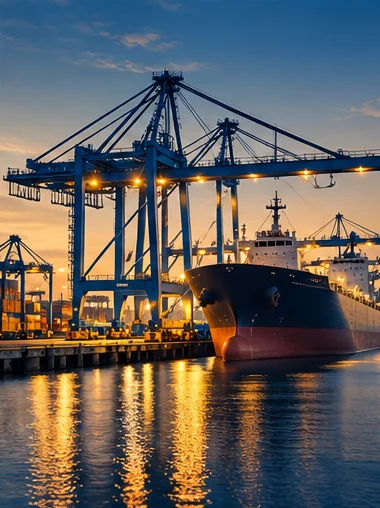
投资能源价值链:机遇与风险所在在哪里
能源价值链为投资者提供的路径不止拥有生产资产:仓储码头、调和与包装厂、物流与海运、贸易融资以及下游分销。每条路径的风险与回报特征各不相同,而且——对任何进入该行业的人尤为重要的是——运营要求也截然不同。 仓储码头 码头的收入来自货物的装卸与储存费用,因此回报取决于地理位置、利用率和合同期限。其吸引力在于收入是合同性的而非方向性的:无论原油涨跌,油库都能收到费用。风险不那么显眼却…

润滑油添加剂包:功能与如何选择
添加剂复合包(也称性能复合包)是预先调合的化学组分组合,加入基础油后制成成品润滑油。使用一个平衡的复合包可简化调合与质量控制——一桶投入、一项规格产出——而不必逐一计量十几种化学品、指望比例刚刚好。 复合包里有什么 清净剂 —— 中和酸性燃烧产物,保持高温表面无沉积物。通常为钙基或镁基,是发动机油总碱值(TBN)的主要来源。 分散剂 ——…
基础油 SN150 与 SN500:牌号、用途与包装
基础油占成品润滑油的绝大部分,通常按体积计占大多数,其余为添加剂。在调合厂采购的份额中,有两个溶剂中性油牌号占据很大比重: SN150 与 SN500 。 “溶剂中性”是什么意思 溶剂中性基础油通过溶剂萃取与脱蜡工艺生产,这些工艺去除了否则会缩短成品润滑油寿命的芳香烃与蜡组分。所得基础油稳定、均一,挥发性低,抗氧化性好。“SN”前缀仅用于标识这条生产路线;数字大致表示黏度,SN…
API 5CT 与 API 6A:上游设备标准采购指南
美国石油学会(API)发布的油气行业标准应用广泛。在上游采购中,有两项标准经常起决定作用: API 5CT 与 API 6A 。弄清每项标准实际规定了什么、又没有规定什么,决定了一笔订单是通过检验,还是陷入退货争议。 API 5CT:套管与油管 API 5CT 涵盖套管与油管,即下入井内、将流体输送至地面的钢管。该标准规定了钢级、尺寸、力学性能、试验和标记。最常遇到的钢级有:…
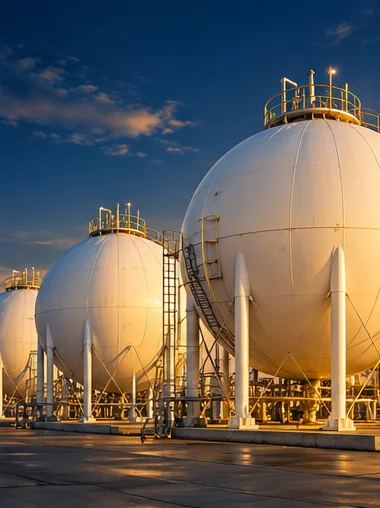
液化石油气物流:海运与陆运丙烷和丁烷
LPG 是丙烷与丁烷的混合物,常态下为气体,在中压或低温条件下则变为液体。正是这一特性,使大规模能量得以紧凑地储存和运输——它也决定了物流链上的每一个环节,从我们订哪条船,到我们指定哪个码头。 丙烷、丁烷与混合比例 丙烷的沸点约为 −42 °C,丁烷约为 −0.5 °C。因此丙烷/丁烷 50/50 混合物的表现与纯丙烷不同,适用于气候与设备条件允许的地方。实际后果是:…